
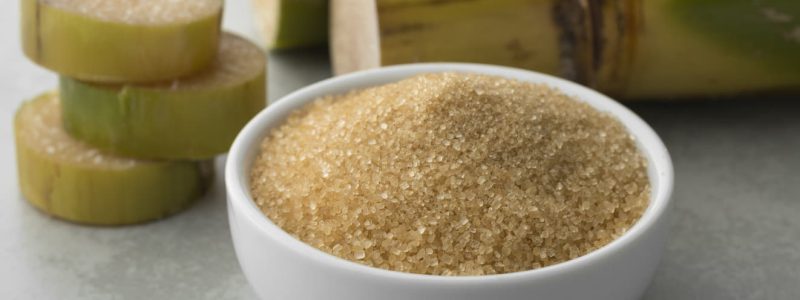
Cane sugar, a staple in many kitchens, is more than just a sweet treat. This natural sweetener comes with a unique set of characteristics that sets it apart from other sugar types. Here, we delve into six distinctive traits of this sugar that make it stand out.
A Rich Source of Sucrose
The first notable trait of this sugar is its high sucrose content. This simple carbohydrate, also known as table sugar, provides the distinct sweetness that we associate with desserts and sweet beverages. In fact, this sugar contains about 70-80% sucrose, making it one of the richest natural sources of this sweet compound1.
A Product of Tropical Climates
Unlike other sweeteners derived from beetroot or corn, cane sugar comes from the sugarcane plant, which thrives in tropical climates. Its growth and maturity are dependent on warm temperatures and ample rainfall, contributing to its unique taste and composition.
A Complex Production Process
The journey of this sugar from field to table is another unique characteristic. It involves a series of processes including crushing, juice extraction, clarification, evaporation, crystallization, and refining. Each step is crucial in preserving the natural sweetness and removing impurities.
A Versatile Ingredient
This sugar’s versatility is another trait that sets it apart. It is not only used as a sweetener in food and beverages but also plays a significant role in the fermentation process in industries such as wine-making and brewing. Additionally, it acts as a natural preservative in jams and pickles.
A Source of Molasses
One of the by-products of cane sugar production is molasses, a thick, dark syrup that adds depth and richness to a variety of dishes. Unlike other sugars, cane sugar offers this additional benefit, providing cooks and bakers with another ingredient to enhance their culinary creations.
An Eco-Friendly Crop
Lastly, sugarcane, the source of cane sugar, is an eco-friendly crop. It contributes positively to the environment by absorbing more CO2 than it emits during its growth cycle. Furthermore, bagasse, the fibrous residue left after juice extraction, is used as a biofuel, contributing to sustainable energy solutions.
Conclusion:
Cane sugar is more than just a sweetening agent. Its unique characteristics, from its rich sucrose content to its eco-friendly nature, make it an intriguing and valuable product. By understanding these traits, we can appreciate the journey from the tall, lush fields of sugarcane to the sweet crystals in our sugar bowls.