
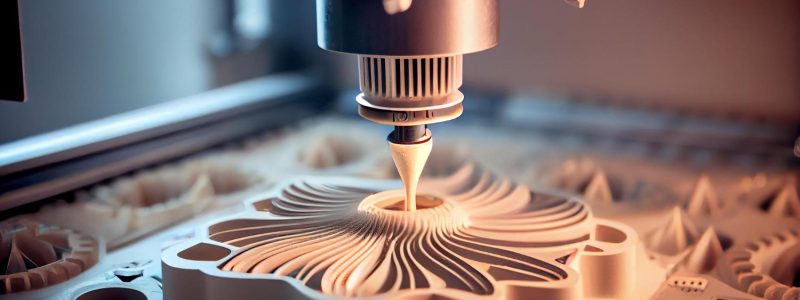
In high-precision metal fabrication, brass laser cutting is rapidly gaining ground as a preferred method for both industrial and creative applications. From intricate architectural detailing to complex electrical components, laser technology is redefining what’s possible when working with brass, a material known for its strength, corrosion resistance, and visual appeal.
Why Brass Requires Specialised Cutting Techniques
Brass presents unique challenges due to its reflective surface and high thermal conductivity. These characteristics make it more difficult to cut using traditional mechanical or even standard laser techniques. However, advancements in fibre laser technology now allow manufacturers to cut brass cleanly and safely with remarkable accuracy.
How the Laser Cutting Process Works
At its core, the laser cutting process uses a concentrated beam of light directed by computer numerical control (CNC) systems. For brass, fibre lasers are typically used as they are less affected by reflection and are more energy efficient. The laser melts or vaporises the material along a defined path, producing smooth, burr-free edges that often require no post-processing.
Precision and Intricacy Made Simple
One of the most significant advantages of laser cutting brass is the ability to achieve incredibly fine details. This is particularly beneficial for industries such as jewellery, electronics, and signage, where intricate patterns and consistent quality are paramount. Thanks to digital integration, even the most complex designs can be executed with pinpoint accuracy.
Speed and Efficiency Without Compromise
Steel laser cutting significantly reduces production time compared to mechanical methods. With minimal setup and no need for physical tooling, manufacturers can switch between designs quickly. This makes the process ideal for both prototyping and large-scale production, where efficiency directly impacts profitability.
Material Conservation and Cost Control
Because laser cutting produces minimal waste and doesn’t rely on consumable tools, it is a cost-effective option for working with expensive materials like brass. The precision of the cut ensures maximum yield from each sheet, which is especially valuable in custom fabrication settings.
Safety Considerations When Cutting Brass
Reflective metals like brass can potentially damage CO₂ laser equipment. This is why modern fibre lasers are the go-to choice, they are safer, more durable, and better suited for such applications. Operators must also consider ventilation and fume extraction, as brass can release harmful vapours when cut.
Whether you’re creating decorative elements or fabricating critical components, brass laser cutting offers a combination of precision, efficiency, and adaptability that traditional methods simply can’t match. As technology evolves, it continues to push the boundaries of what’s achievable in brass fabrication.