
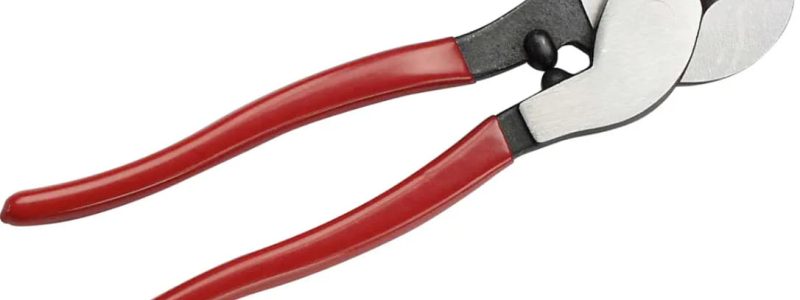
Choosing the perfect tool for cutting cables can be a complex task due to the variety of options available. This blog post will guide you through the process of selecting the right cable cutter, ensuring you have the most effective and efficient tool for your needs.
Types of Cable Cutters: A Broad Spectrum
There is an extensive range of tools designed specifically for cutting wires and cables. These tools range from specialized scissors for data lines to heavy-duty cutters for larger cables. The type of cutter you need depends on the specific type of wire or cable you intend to cut.
Factors to Consider in Selection
Cutting Blade Shape
When choosing a tool, the shape of the cutting blade is a crucial factor. Contoured cutting blades are best for maintaining the shape of the cable, while flat-edge blades can cause compression.
Strength and Durability
The strength and durability of the tool are also significant considerations. Some cutters are exceptionally robust, able to withstand relentless testing and still perform optimally. Such resilience ensures the longevity of the tool, providing you with a reliable solution for your cutting needs.
Tool Quality
The quality of the tool can greatly affect its performance. Top-rated cutters are popular choices among people due to their superior build quality and excellent performance.
Incorporating Technology: Line Lasers
Incorporating technology into your toolkit can significantly improve your efficiency and precision. One such technology is line lasers. Though not directly related to cable cutters, line lasers can help ensure accurate measurements and alignments, which can be critical when working with cables and wires in certain situations.
Making the Right Choice
Ultimately, the key to selecting the perfect tool lies in understanding your specific needs and matching them with the right features. Whether you’re dealing with small data lines or large cables, the right tool can make your job easier and more effective. Remember, the best tool is not necessarily the most expensive one, but rather the one that best suits your needs and delivers the best performance.
Conclusion:
Choosing the perfect cable cutter involves careful consideration of several factors, including the type of cable you’ll be working with, the shape of the cutting blade, the strength and durability of the tool, and the overall quality of the tool. With this knowledge, you can make an informed decision and select the most suitable tool for your needs. Happy cutting!