
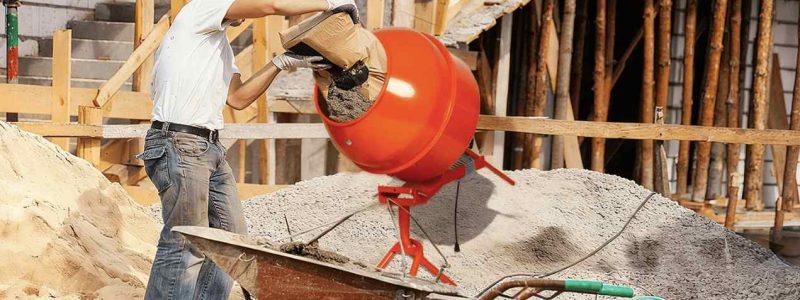
Tired of ordering ready-mix concrete for a small job, then paying extra fees or wasting half the batch? You’re not alone. A portable concrete mixer is a small, movable machine that mixes cement, sand, gravel, and water right at your job site. You make only what you need, when you need it. No truck delivery, no minimum-order charges.
In my experience, small contractors waste more money on over-ordered concrete than they ever spend on equipment.
What Is a Portable Concrete Mixer?
It’s a small mixing drum on wheels, powered by electricity, gas, or a small engine. You add the materials, mix them on the spot, and pour only what you need. Simple as that.
Why Are More Contractors Using Portable Mixers Now?
The global portable concrete mixer market was worth about USD 1.95 billion in 2024, with over 350,000 units sold worldwide that year (360 Research Reports). That tells you something important: more contractors are choosing flexible, small-batch mixing over big deliveries, especially for renovations, driveways, and small commercial jobs.
The Mistake I See Most Often
People buy a mixer based on drum size alone, without checking if it matches their usual batch size. A mixer that’s too small just means more mixing cycles and slower workdays.
Which Mixer Size Is Right for You?
Here’s what actually works:
- Below 0.2 m³: Great for small home repairs and renovation jobs where you need to move it around often
- 0.2–0.3 m³: The best all-around size for small commercial jobs; good balance of batch size and portability
- 0.3–1 m³: Better for driveways, patios, or bigger jobs that need more concrete at once
A Quick Note on Power Type
Gas-powered mixers are best for sites without electricity nearby. Electric mixers are quieter and cheaper to run for indoor or city jobs. Pick based on your site, not just the price tag.
Is It Actually Worth the Cost?
For most small to mid-size jobs, yes. You skip delivery fees, minimum-load charges, and wasted concrete from ordering more than you need. The only tradeoff is your own time and effort mixing on-site — but for small jobs, it’s usually worth it.
When Should You Stick With Ready-Mix Instead?
If you’re pouring a large, continuous slab, like a full foundation or a big commercial floor, ready-mix concrete or a full batching plant will still be faster and more consistent. Portable mixers work best for smaller, irregular jobs where flexibility matters more than speed.
Bottom Line
A portable concrete mixer isn’t just a smaller version of a big machine. It’s a smarter way to work on smaller jobs, giving you more control and less waste. If you’re tired of paying for concrete you don’t use, it’s time to make the switch.
Talk to a supplier about your usual job size before buying one. Picking the right drum size makes all the difference in how smoothly your work goes.