
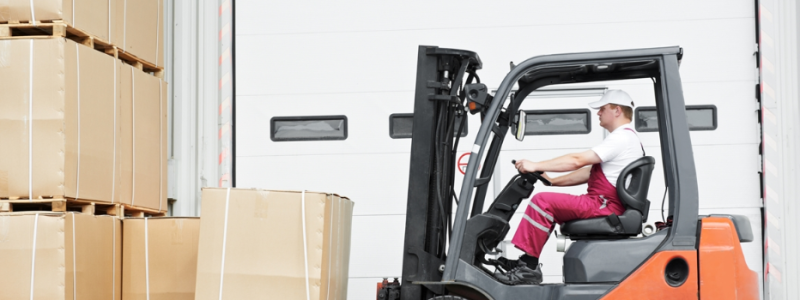
The role of load handling equipment is vital in various industries. It facilitates the movement of heavy materials and goods with efficiency and safety.
From manufacturing plants to construction sites, the proper selection and utilization of these tools are essential for streamlined operations & minimizing risks.
Understanding More About Load Handling Equipment
A load handling equipment encompasses a diverse range of tools designed to lift, move, and manipulate heavy loads.
This includes cranes, forklifts, hoists, pallet jacks, & conveyors. Each of these serves specific purposes based on the nature of the load & the operational environment.
Types of Load Handling Equipment
Following are some important types of a load handling equipment –
-
Cranes:
These include overhead cranes, tower cranes, and mobile cranes. Overhead cranes provide efficiency in the lifting and movement of loads within a designated area.
Tower cranes are ideal for construction projects, while mobile cranes are versatile and mobile. These are used for construction, infrastructure, maintenance, etc.
-
Hoists:
They are suitable for lifting heavy loads vertically. Also, they provide precise control and are commonly used in manufacturing and assembly processes.
The above types of load handling equipment are used very commonly worldwide and that is why their consideration is very important for the right use of this equipment.
Additional Considerations for a Load Handling Equipment:-
Following are some additional things that people should consider while using land handling equipment –
-
Regular Inspection and Maintenance:
Proper maintenance is essential to ensure the longevity and optimal performance of load handling equipment.
-
Operator Training and Certification:
Operators should undergo comprehensive training programs that cover efficient operation, safety procedures, and emergency protocols. By investing in training and certification programs, organizations can mitigate the risk of accidents, improve productivity, and foster a culture of safety among their workforce.
Enhancing Efficiency and Safety of Load Handling Equipment
Proper training and adherence to safety protocols are paramount when operating land handling equipment. Regular maintenance and inspections ensure optimal performance and minimize the risk of accidents or equipment failure.
Additionally, advancements in technology, such as automation and remote operation, are transforming the landscape of land handling. All this sums up to offer increased efficiency and productivity.
Conclusion
A load handling equipment is indispensable across various industries, facilitating the movement of heavy materials with precision & safety. By understanding the different types of equipment available and implementing the best practices in operation, and maintenance, organizations can enhance efficiency, reduce downtime, & ensure a safer working environment for their workforce.