
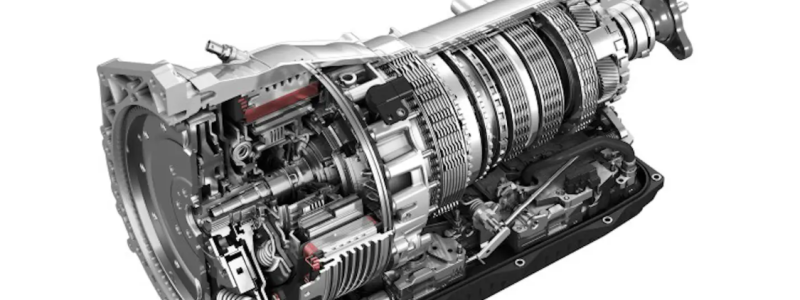
Planetary gearboxes are a critical component in many industrial and manufacturing applications, providing torque multiplication, speed reduction, and torque splitting in a compact and efficient package. To ensure the longevity and optimal performance of a planetary gearbox, proper maintenance practices are essential.
Regular Inspections
Regular inspections are the cornerstone of effective gearbox maintenance. Scheduled visual inspections can help detect early signs of wear, misalignment, or other potential issues. During these inspections, look for leaks, unusual noise, and any visible damage to the gearbox housing or components. Identifying and addressing problems early can prevent costly repairs and unplanned downtime.
Lubrication
Proper lubrication is vital for the smooth operation and longevity of gearboxes. Regularly check the gearbox’s lubrication levels and adhere to the manufacturer’s recommended lubrication schedule. Using the correct type and grade of lubricant is crucial, as it directly impacts the gearbox’s efficiency and ability to withstand heavy loads and high speeds.
Alignment Checks
Periodically check the alignment of the gearbox and associated equipment, such as motors and driven shafts. Misalignment can cause excessive vibration, noise, and increased load on the gearbox components. Correcting any misalignment issues promptly can help preserve the performance and lifespan of the gearbox.
Temperature Monitoring
Monitoring the temperature of a planetary gearbox for a servo motor can provide valuable insights into its operational health. Overheating can indicate problems such as overloading, insufficient lubrication, or improper gear meshing. Regularly monitoring and recording the gearbox’s temperature during operation can help identify potential issues early and take corrective action before serious damage occurs.
Maintenance of Seals and Breathers
The seals and breathers of a gearbox play a crucial role in preventing contamination from entering and maintaining the appropriate internal pressure. Regularly inspect and replace damaged or worn breathers to prevent the ingress of dirt, moisture, or other contaminants that could compromise the gearbox’s performance and lifespan.
Torque and Load Monitoring
Understanding the torque and load requirements of the application is essential for maintaining the performance of a gearbox. Ensure that the gearbox is not being subjected to loads or torque levels beyond its design capabilities. Monitoring the application’s torque and load characteristics can help prevent premature gearbox failure and ensure optimal performance under the intended operating conditions.
Conclusion
By implementing regular inspections, adhering to lubrication schedules, monitoring alignment and temperature, and maintaining seals and breathers, the performance of the planetary gearbox can be preserved, minimising the risk of unplanned downtime and costly repairs. By following these maintenance tips, industrial and manufacturing operations can maximise the efficiency and longevity of their gearboxes, contributing to overall productivity and reliability.